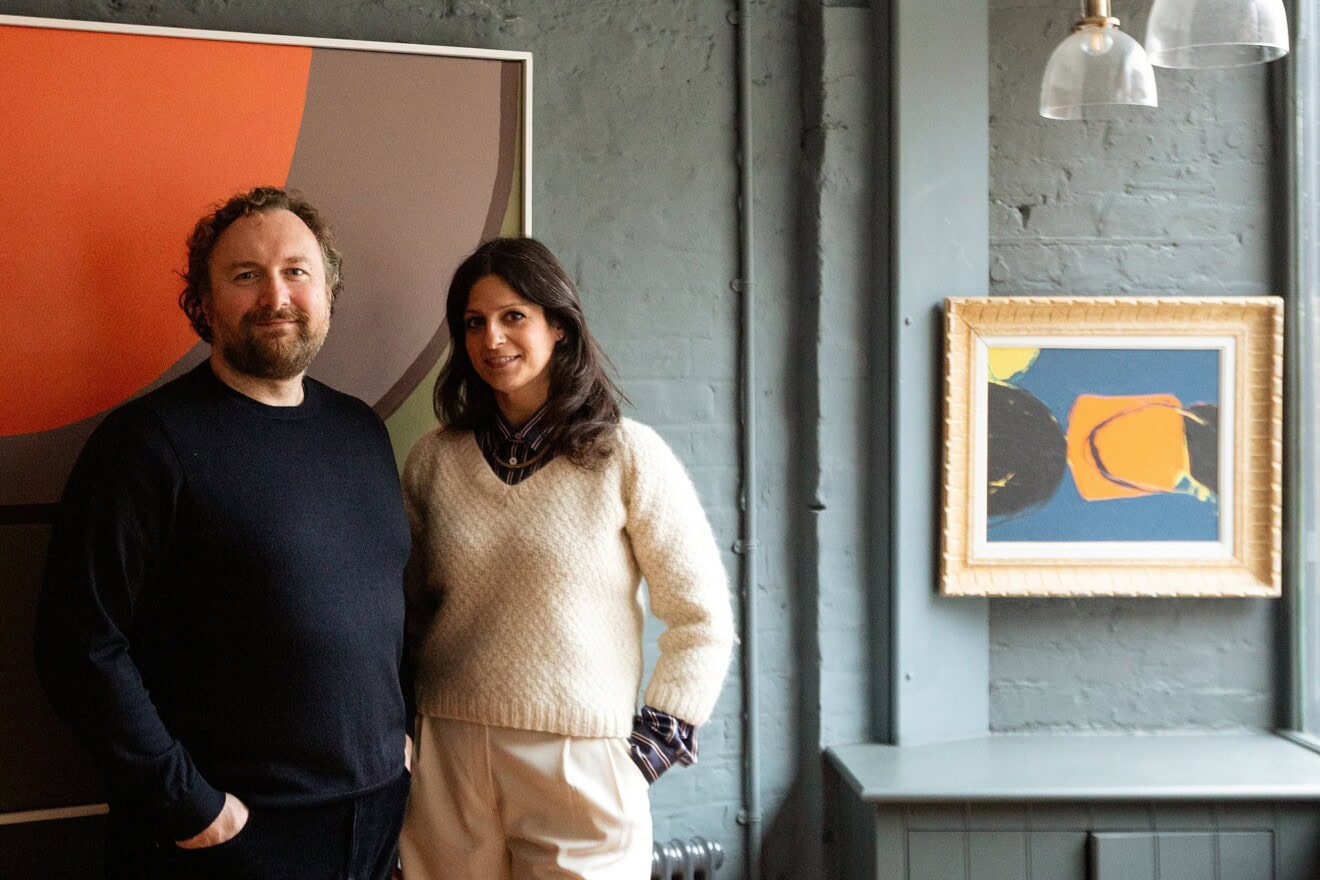
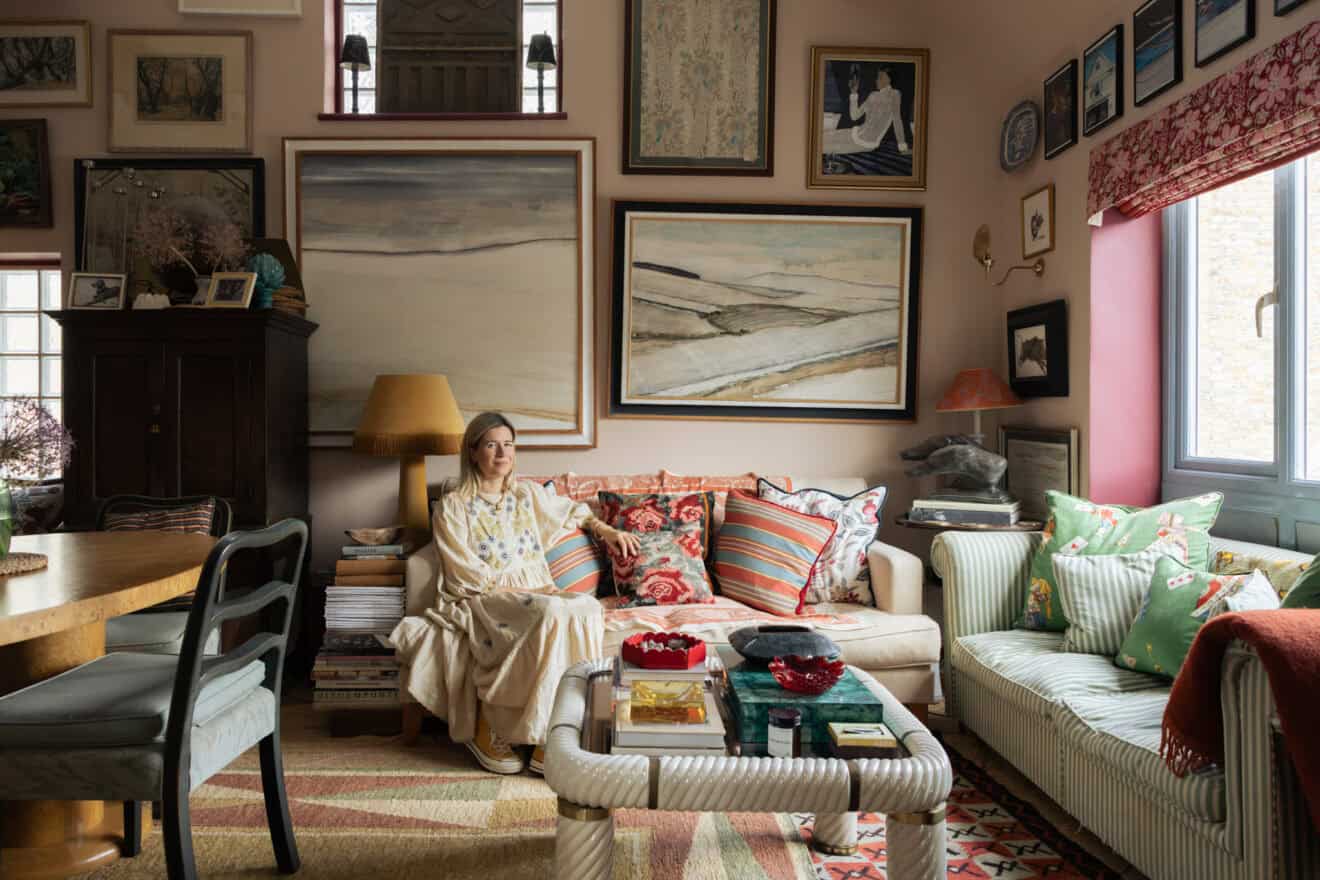
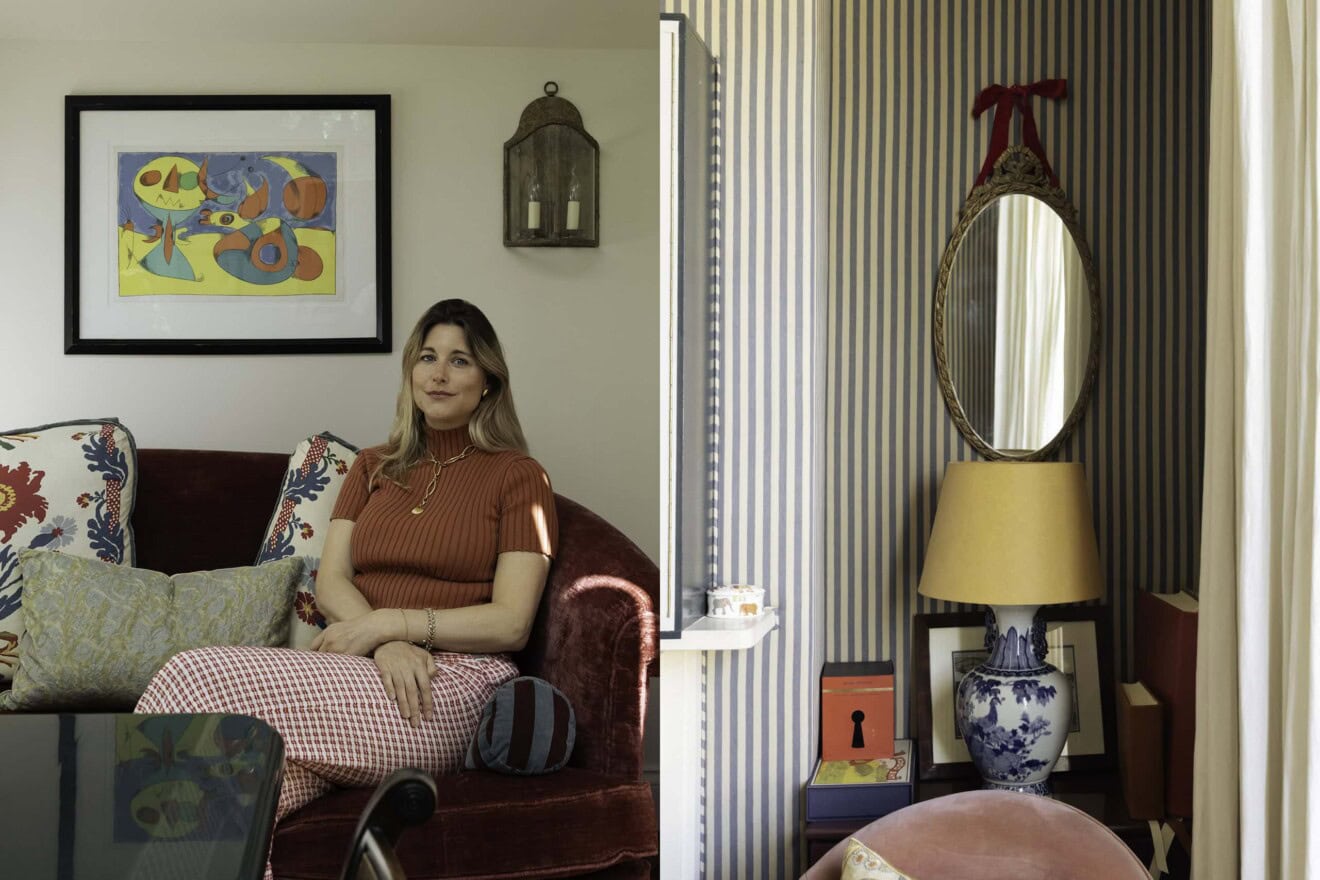
Ben: I didn’t have an art background at all. My first career was in strategic communications and politics. I advised the Treasury during the financial crisis, then worked for David Cameron in Number 10, and later for Mark Carney when he was Governor of the Bank of England.
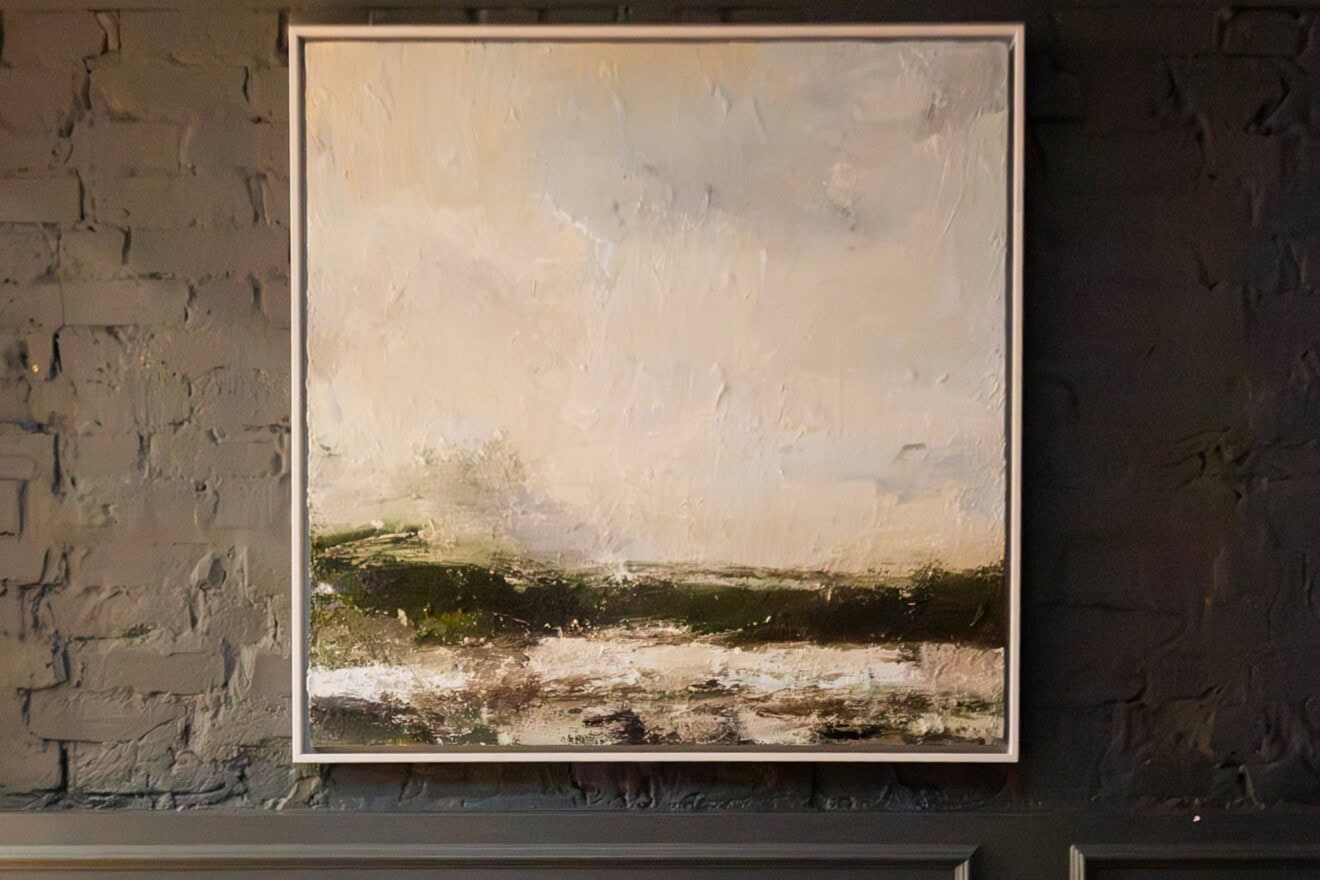
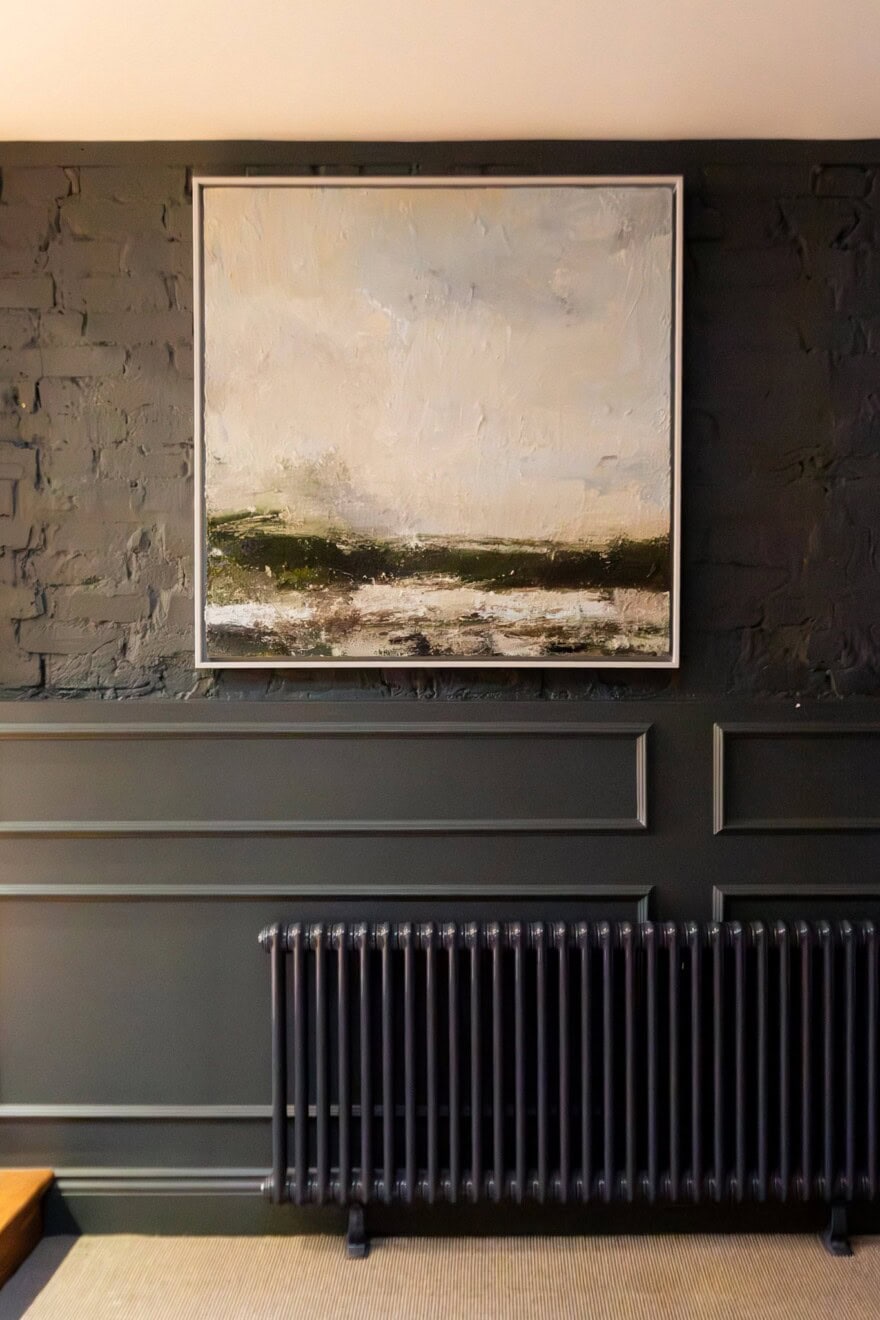
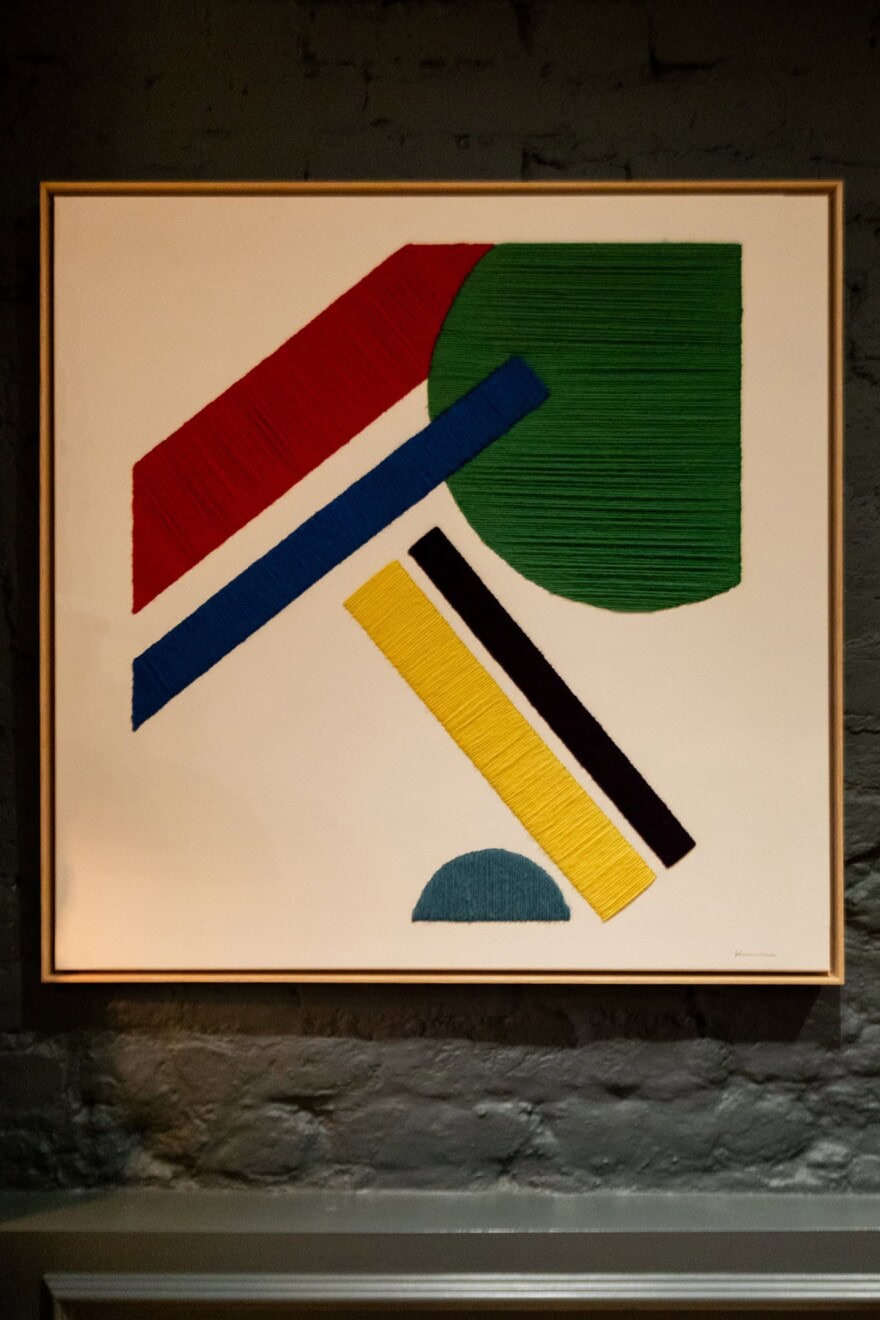
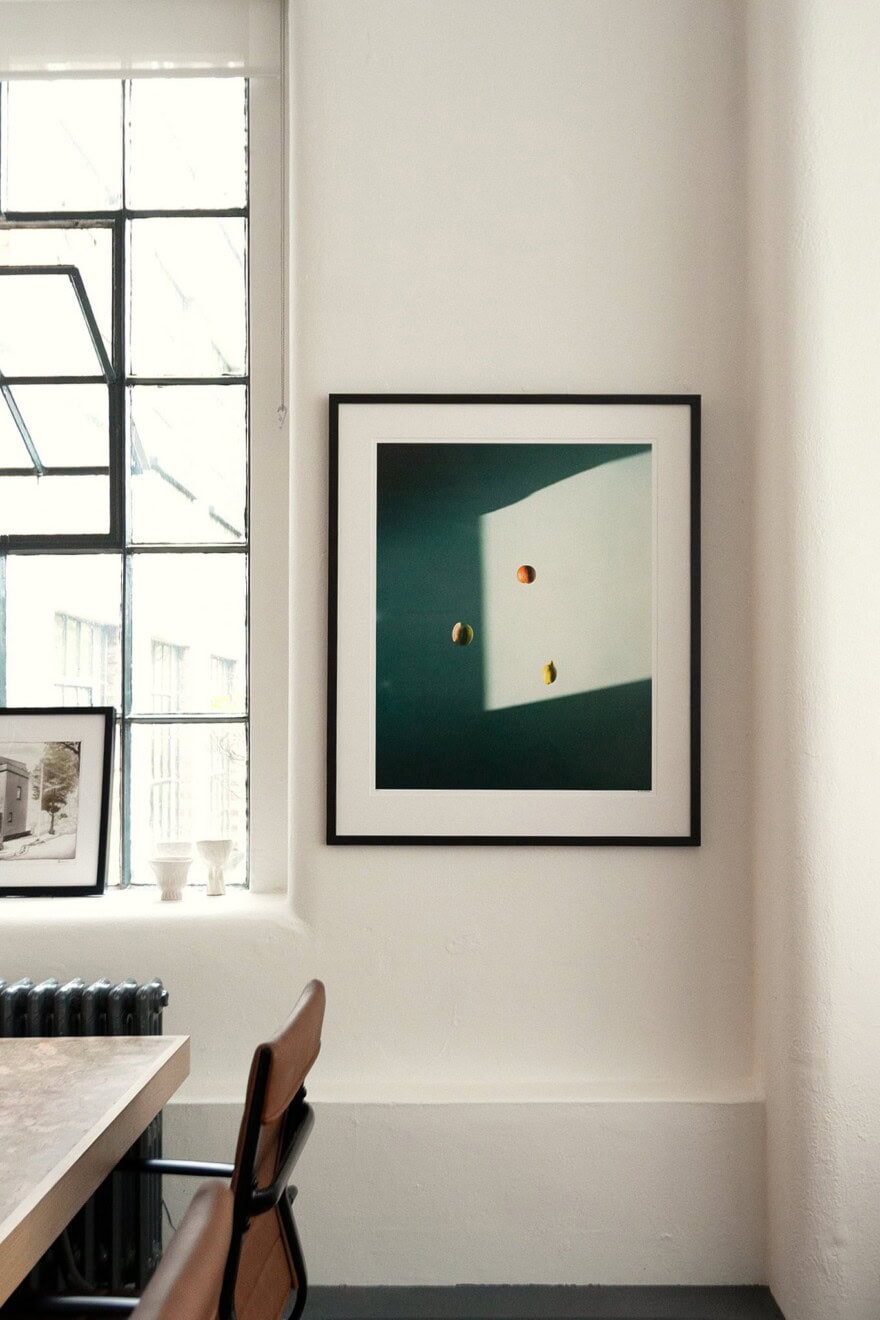
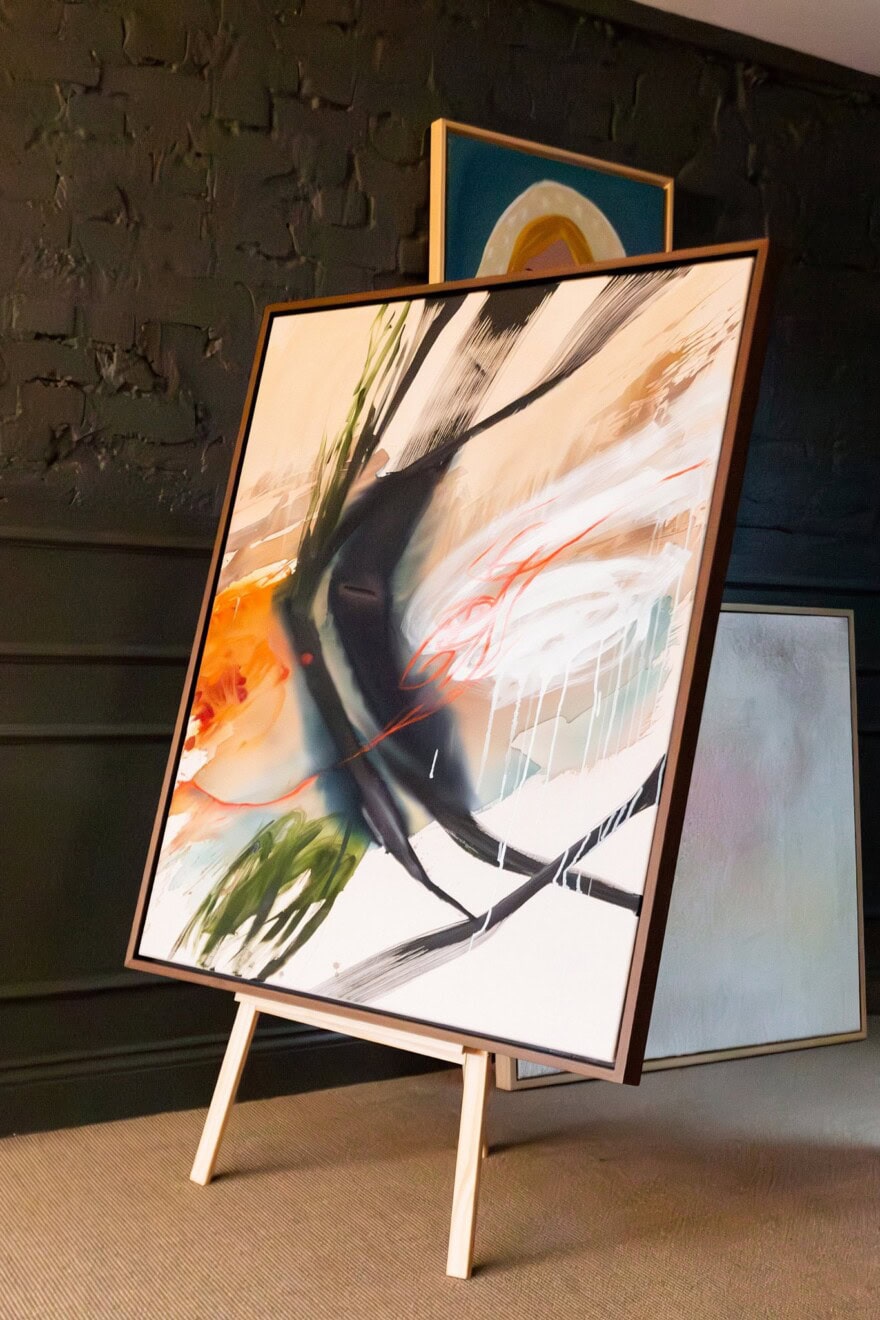
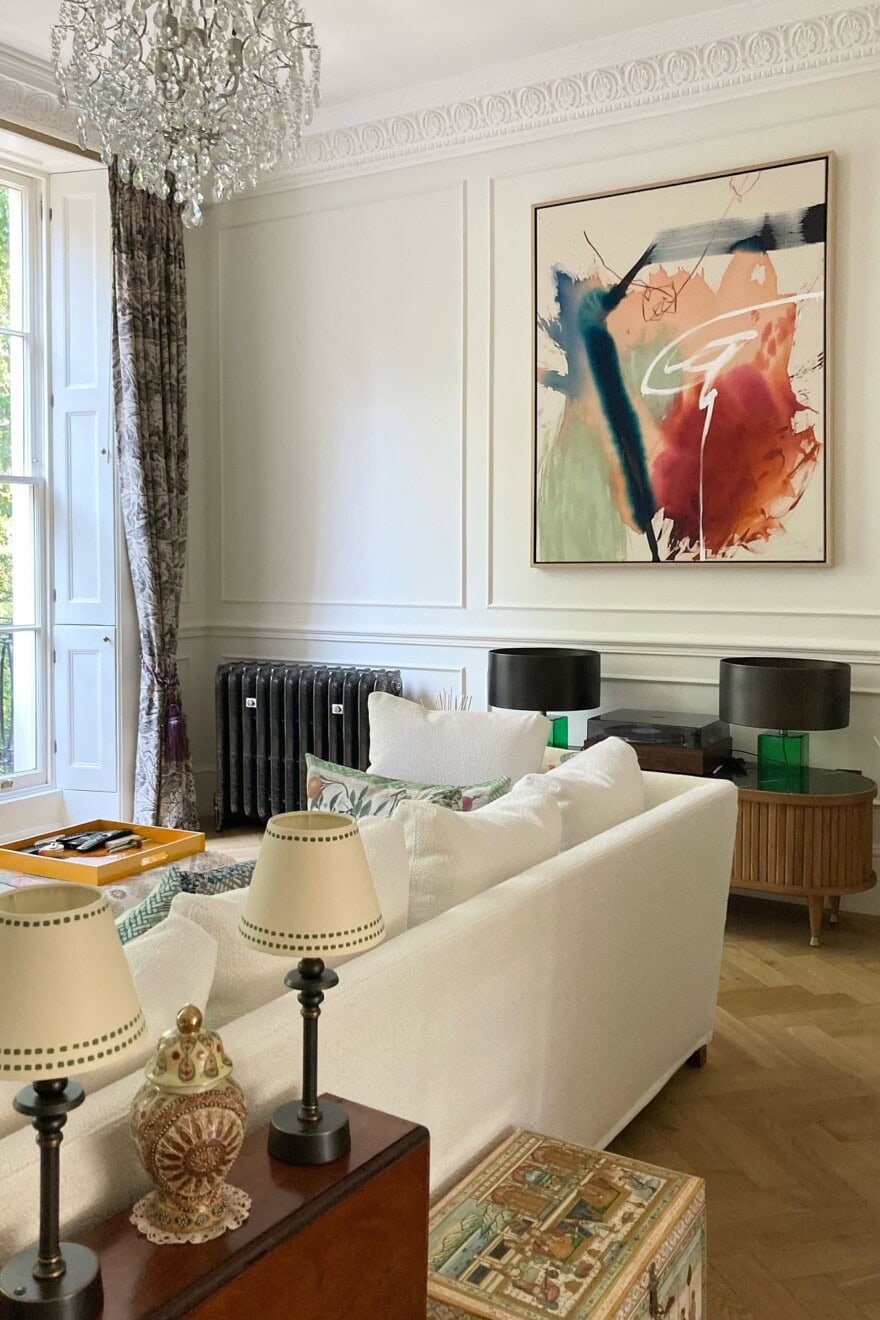
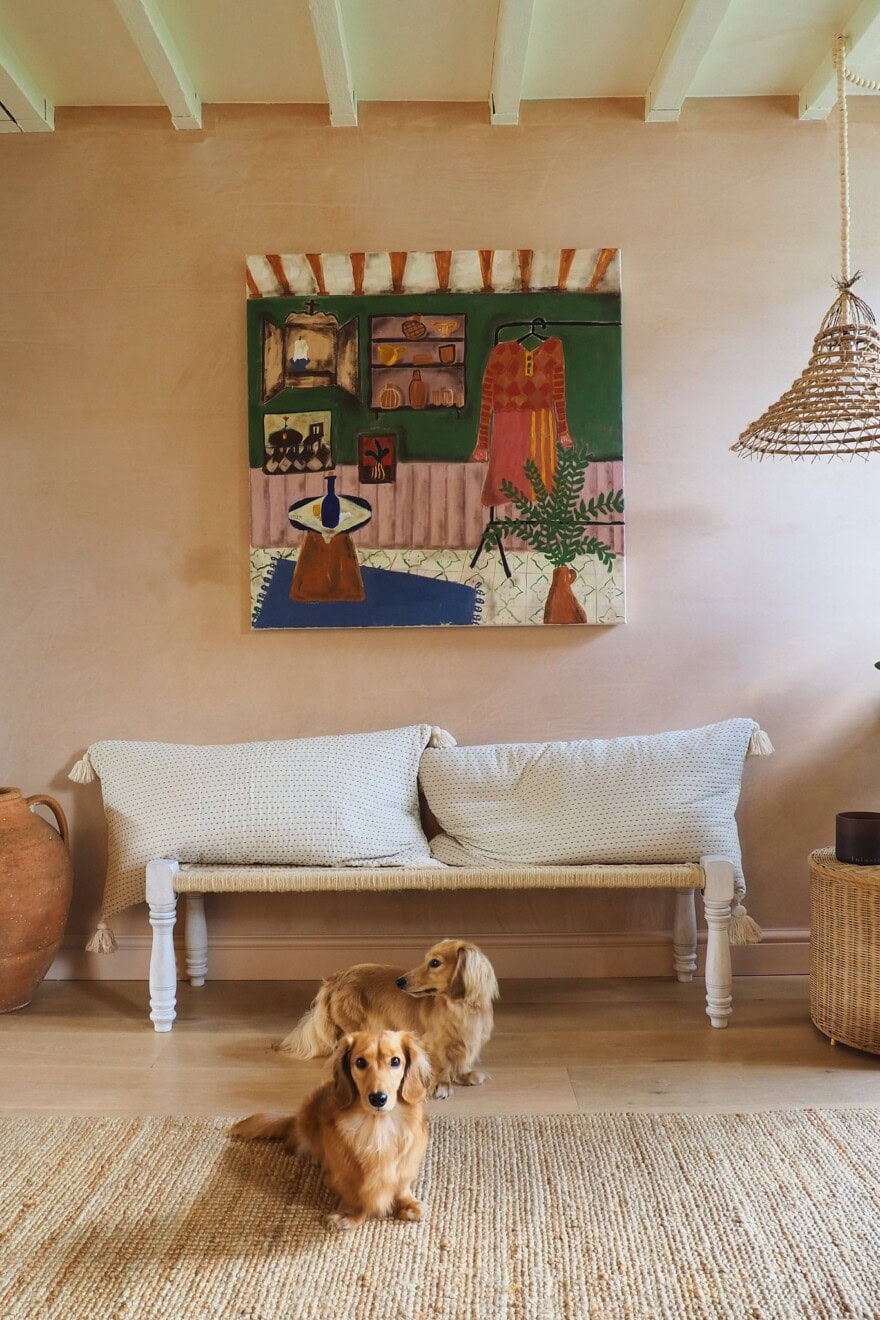
Through Stephanie, I gradually became more exposed to the art world. Before that my interest was very basic. Just before lockdown, we were in Los Angeles in heavy traffic, talking about how strange and difficult the art market can be and how you’re expected to make snap decisions on expensive works with no way to try them at home first. It felt odd that you can test-drive a car or view a house multiple times, but not live with art before buying it. That conversation became the seed of Interrupted Art.
Stephanie: I was at Tate as an art buyer, acquiring works from the 1500s through to international modern art. I did that for about five years and also worked with private clients on building their collections, mainly in the established-artist space rather than emerging art.
Before that, I was at the British Museum, where I headed up a consultancy department advising museums and governments—mostly in the Middle East and China—on how to build museums and national collections. It was an amazing role, but very different to what we do now. One of the last projects I worked on before lockdown was a huge installation for the Turbine Hall by an artist who created floating, fish-like forms controlled by an algorithm powered by living yeast on the roof. Tate commissions a new installation every October for Frieze, and sometimes acquires them for the collection. That was one of the more unusual pieces I helped bring in.